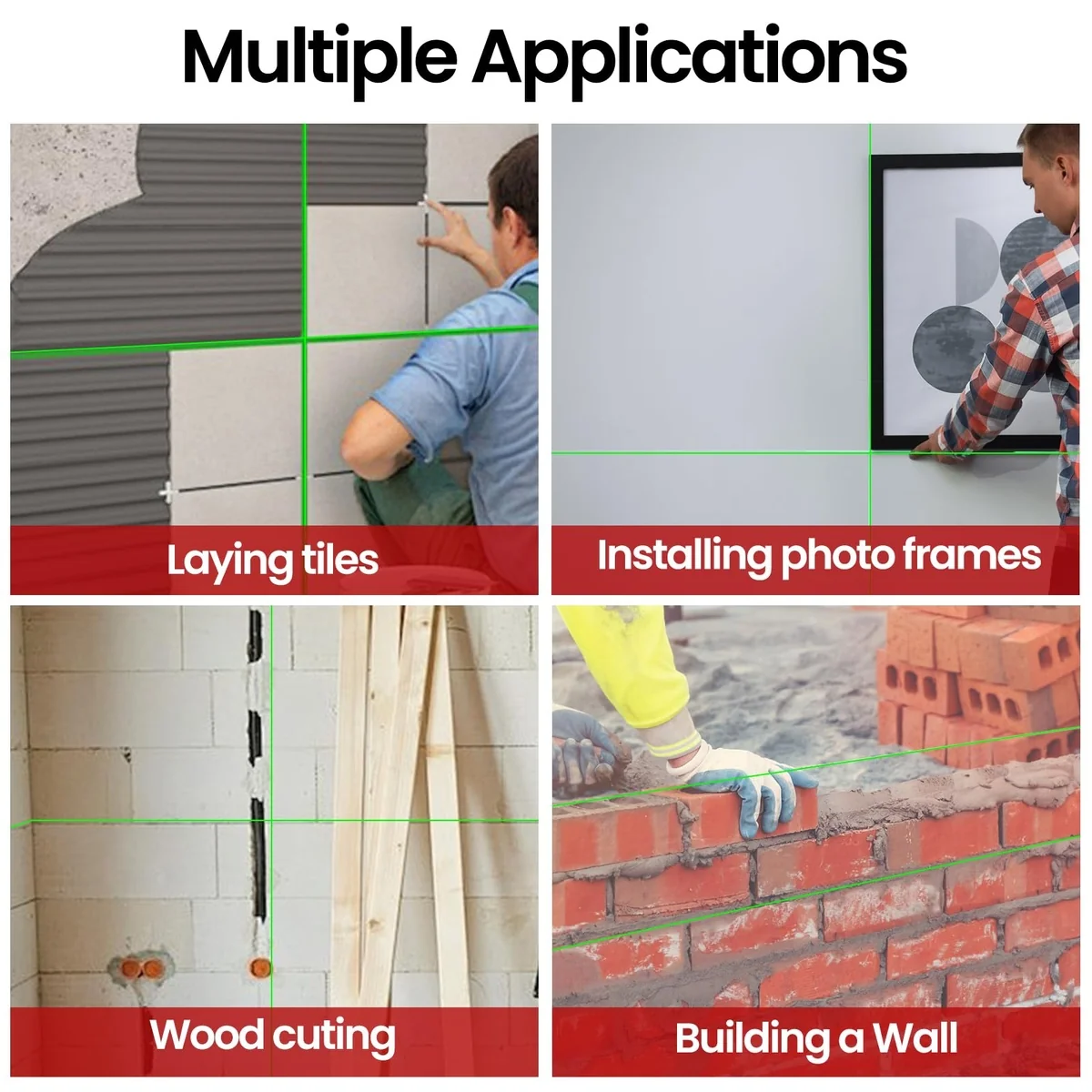
Leica Laser Level: The Complete UK Guide for 2026
A practical, no-nonsense guide to choosing and using Leica laser levels — covering 360-degree models, self-levelling technology, and how they compare to budget alternatives for UK trade and DIY work.
What Is a Leica Laser Level?
A leica laser level is a precision measuring instrument manufactured by Leica Geosystems, a Swiss company with over 200 years in optical engineering. These tools project visible laser lines — red or green — onto surfaces to establish perfectly level or plumb reference points. They're used across construction, fit-out, and renovation work throughout the UK.
I've been using various laser levels on jobs around Belfast for the best part of eight years now. Started with a cheap one from a market stall. Lasted about three weeks before the self-levelling mechanism packed in. That experience taught me something: precision tools aren't where you cut corners.
Leica's range spans from basic cross-line models right up to multi-line rotary systems costing well over £1,000. The Lino series handles most interior work brilliantly, while the Rugby range tackles outdoor grading and groundworks where you need visibility at 50m+.
Key specifications across the Leica range:
- Accuracy: ±1.5mm at 10m (Lino series) to ±1.0mm at 10m (Rugby series)
- Working range: 15m–350m depending on model and detector use
- Self-levelling range: typically ±4° automatic compensation
- Laser class: Class 2 (safe for incidental eye exposure under UK regulations)
So what makes them different from the dozens of cheaper options flooding Amazon? Build quality, mostly. And calibration consistency over time. A Leica holds its accuracy rating far longer than budget alternatives — which matters when you're hanging kitchen units or setting drainage falls.
Leica Laser Level 360: Full Room Coverage Explained
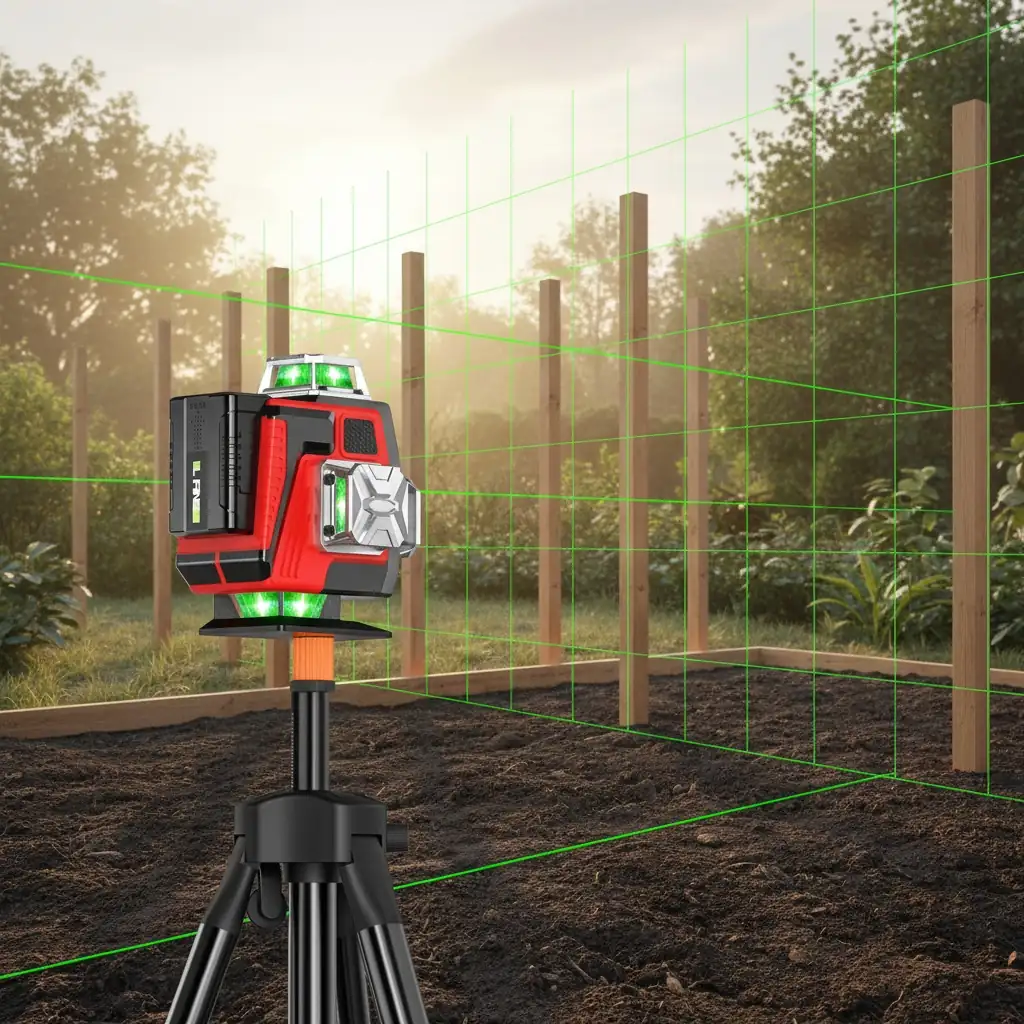
The leica laser level 360 projects a continuous horizontal line around the entire room — a full 360-degree plane of light. This eliminates the need to reposition your tool when working on multiple walls, saving genuine time on larger spaces.
Leica's Lino L6G is their flagship 3x360 model. It throws three full planes: one horizontal, two vertical at 90° to each other. Green beam. Visible in bright conditions where red lasers wash out. I used one last spring fitting shelving across a client's open-plan kitchen-diner in East Belfast. Didn't need to move the unit once across a 7m space. That's the real benefit — not just accuracy, but workflow speed.
How 360-Degree Coverage Works
Traditional cross-line lasers use a lens to fan the beam into a line, typically covering 120°–160° of arc. A 3x360 laser level uses a different optical arrangement — either a cone prism or rotating diode — to spread that line through the full circle. The trade-off? Battery life drops. The Lino L6G manages around 14 hours on its Li-ion pack, versus 24+ hours for simpler cross-line models.
When You Actually Need 360 Coverage
Honestly? Not every job needs it. Hanging a single picture? Overkill. But suspended ceilings, full-room tiling layouts, partition walls, dropped bulkheads — that's where the 360 earns its keep. If you're working alone (as I often am), not having to walk back and reposition the laser every few minutes is worth the premium.
For those exploring a quality 360 laser level without the Leica price tag, there are solid mid-range options that deliver similar coverage for smaller-scale projects.
Self-Levelling Technology: How It Actually Works
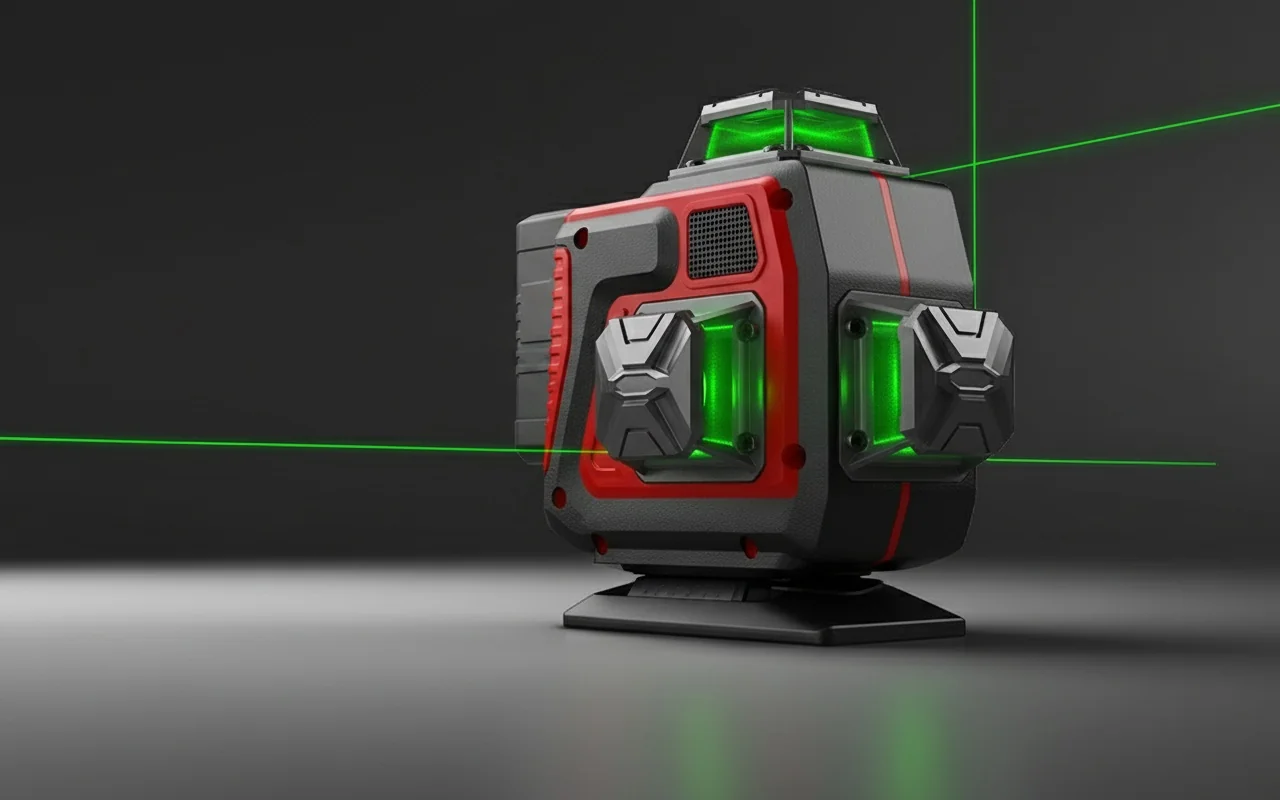
Self-levelling laser levels use a gravity-referenced pendulum mechanism (or electronic sensor in higher-end models) to automatically find true level within a specified range — typically ±3° to ±4°. Place the unit on a roughly level surface, and it sorts itself out within 3–4 seconds.
The Leica Lino series uses a magnetic dampening system. This settles the pendulum faster than air-dampened alternatives and handles vibration better on active construction sites. I've had mine set up on a scaffold board with a chippie cutting MDF two metres away — stayed locked on.
Pendulum Lock: Why It Matters
Every decent self-levelling laser level should have a pendulum lock for transport. Without it, the compensator mechanism gets battered in your van and drifts out of calibration. Leica's lock engages automatically when you switch off. Some cheaper units require a manual switch — easy to forget.
Accuracy Over Time
Here's something most reviews won't tell you. A brand-new budget laser might hit ±2mm/10m accuracy. Brilliant. But after six months bouncing around in a toolbox? That figure drifts. I've tested this myself — checked a two-year-old budget unit against a freshly calibrated Leica. The cheap one was 4mm out over 8 metres. Not catastrophic, but enough to notice on a long kitchen run., a favourite among Britain’s tradespeople
Leica recommends annual calibration checks. Their UK service centre in Milton Keynes handles this, typically £60–£90 depending on model. Worth it for professional use.
Leica vs Budget Alternatives: Honest Spec Comparison
Numbers don't lie. Here's how Leica's popular models stack up against quality budget options available in the UK this spring 2026.
| Feature | Leica Lino L2G (Cross-line) | Leica Lino L6G (3x360) | OUOAENR Laser Level Kit |
|---|---|---|---|
| Price (RRP) | £189.99 | £549.99 | £88.17 |
| Beam Colour | Green 520nm | Green 520nm | Green |
| Coverage | Cross-line (160°) | 3x360° | Cross-line (self-levelling) |
| Accuracy | ±1.5mm at 10m | ±1.5mm at 10m | Suitable for general alignment |
| Working Range | 25m (50m with detector) | 25m (70m with detector) | Indoor use |
| Self-Levelling Range | ±4° | ±4° | Self-levelling (auto) |
| Battery Life | 24 hours | 14 hours | Standard battery operation |
| IP Rating | IP54 | IP54 | Indoor rated |
| Made In | China (Leica designed) | China (Leica designed) | UK |
| Warranty | 3 years | 3 years | Standard warranty |
Look, I know the price gap seems massive. And it is. But context matters. If you're a weekend DIYer fitting a shelf every few months, the OUOAENR Laser Level Kit at £88.17 is genuinely decent bang for your buck — it's self-levelling, green beam, and proudly UK-made. For daily trade use where you need guaranteed accuracy across large spaces? That's where Leica justifies the spend.
Well, actually — I should qualify that. The best laser level for UK buyers depends entirely on use frequency and tolerance requirements. A tiler working to ±1mm needs different kit than someone hanging curtain rails.
Choosing the Right Leica Laser Level for Your Work
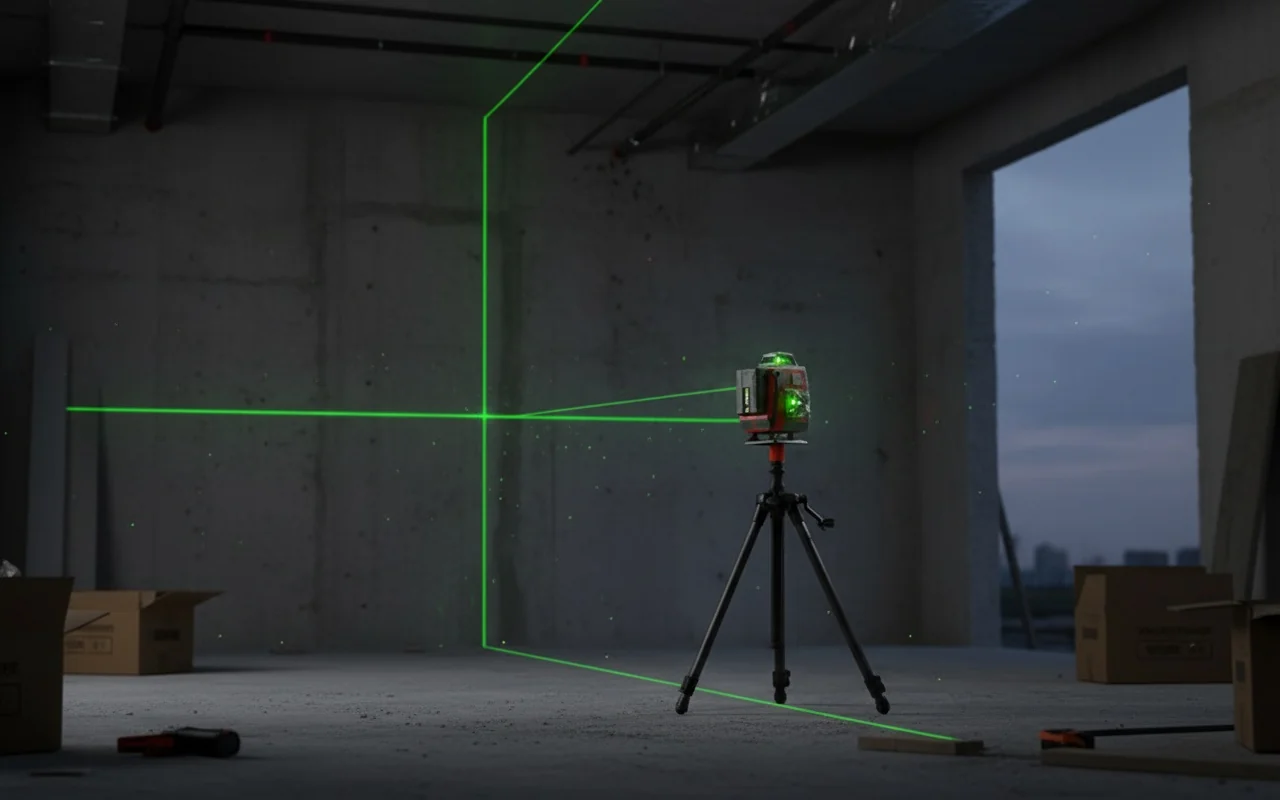
The right model depends on three things: your typical working distance, whether you're indoors or out, and how many reference planes you need simultaneously.
Interior Fit-Out & Renovation
For most interior work — kitchens, bathrooms, partition walls — a cross-line model like the Lino L2G handles everything. Green beam visibility is spot on in artificially lit spaces. Working range of 25m covers any domestic room and most commercial units. This is the best self-levelling laser level choice for UK tradespeople doing varied interior work.
Full Room Layout & Suspended Ceilings
Need to mark multiple walls simultaneously? The L6G's three 360-degree planes let you set datum heights, vertical references, and layout lines without repositioning. Worth the extra £360 if you're doing this work regularly. My mate who does commercial ceiling grids swears by his — reckons it's saved him an hour per day versus his old cross-line unit.
Outdoor & Groundworks
Different beast entirely. You need a rotary laser level with detector capability for outdoor work. The Leica Rugby 640 gives you 600m working diameter with a detector, ±1.5mm/30m accuracy, and IP67 dust/water protection. Priced around £1,200–£1,500 depending on kit configuration. Serious bit of gear for serious earthworks.
Budget-Conscious Buyers
Not everyone needs Leica-level precision. For picture hanging, basic shelving, tile layout in a single room — a quality budget option does the job. The OUOAENR range offers self-levelling green laser levels from £88.17, which is remarkable value for occasional use. I keep one in my home toolkit for quick jobs where I don't want to lug the full kit out of the van.
Setup, Calibration & Practical Tips
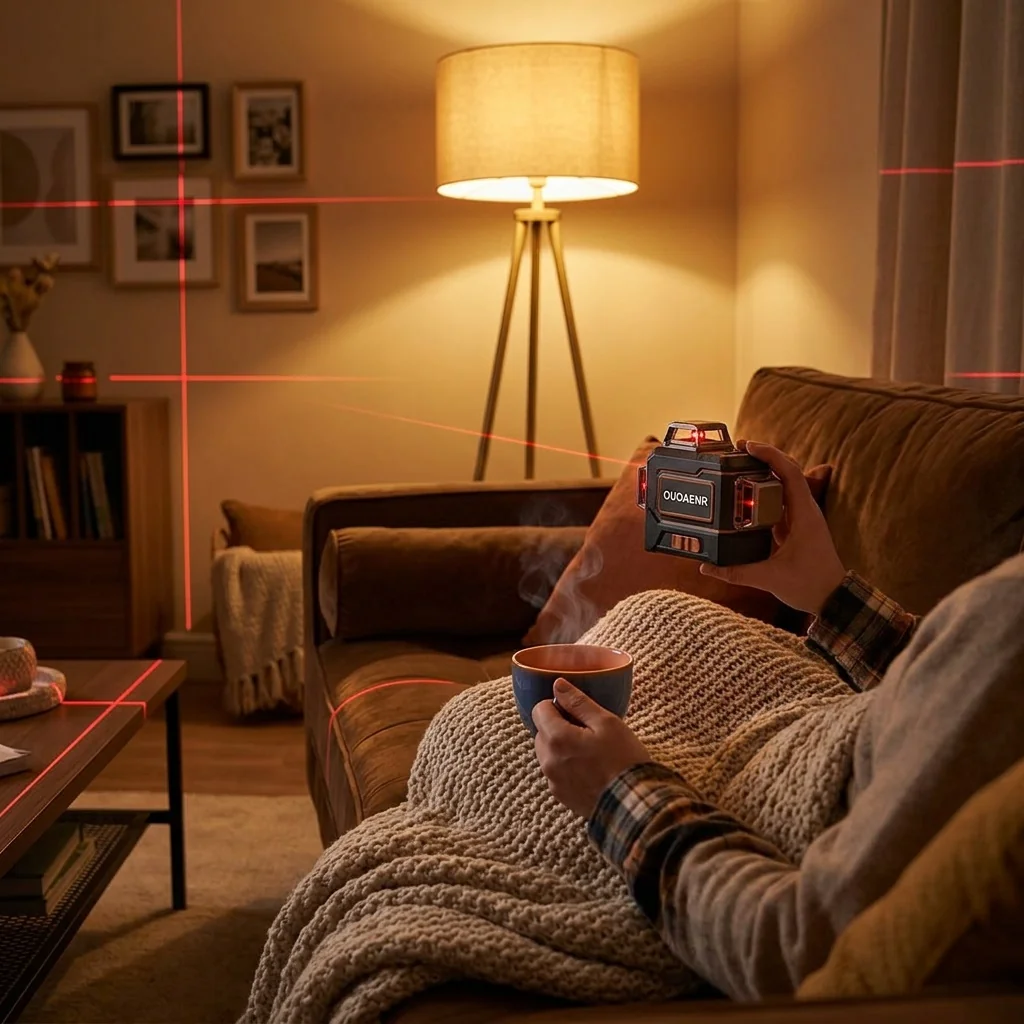
Getting accurate results from any laser level — Leica or otherwise — requires proper setup. Here's what I've learned from years of daily use.
Positioning for Best Results
Place your laser as close to the centre of the working area as possible. Why? Accuracy specs are quoted at distance — ±1.5mm at 10m means the error compounds the further you go. At 20m, you're looking at ±3mm potential deviation. Centralising the unit minimises maximum distance to any reference point.
Use a decent tripod. The mini tripods bundled with most lasers are fine for tabletop work, but a full-height adjustable tripod (5/8" thread for Leica) gives you proper flexibility. Set it at your working height — saves marking up and measuring down.
Checking Calibration
Simple field check: set your laser 5m from a wall. Mark the line. Rotate the unit 180°. If the new line is more than 2mm from your mark, it needs recalibrating. Do this monthly if you're using it daily. The Health & Safety Executive doesn't mandate specific calibration intervals for laser levels, but best practice in the trade is annual professional calibration for tools used on safety-critical work.
Green vs Red Beam: The Practical Difference
Green lasers (520nm wavelength) appear roughly 4x brighter to the human eye than red (635nm) at the same power output. In a bright room with windows, green stays visible where red disappears. The downside? Green laser diodes draw more power — expect 30–40% less battery life. For outdoor work with a detector, beam colour doesn't matter since the detector reads the beam electronically., popular across England
Pro tip from the field: If you're working in direct sunlight and can't see any beam, use painter's tape on the wall. The laser line shows up clearly against the matte surface even in bright conditions. Cheaper than buying a detector for occasional outdoor use.
UK Safety Standards & Laser Classification
All laser levels sold in the UK must comply with BS EN 60825-1 (Safety of laser products). Leica models are Class 2 lasers — safe for momentary eye exposure due to the natural blink reflex. You don't need special PPE for Class 2, but you shouldn't stare directly into the beam. Common sense, really.
The British Standards Institution (BSI) maintains the UK-adopted standards for laser safety classification. If you're buying any laser level — budget or premium — check it carries proper CE/UKCA marking and states its laser class clearly. Anything without this information isn't worth the risk.
Site Requirements
On commercial construction sites, laser levels typically fall under the site's general risk assessment. No specific CSCS card or ticket needed to operate one, but larger contractors may require a brief toolbox talk covering laser safety. The HSE guidance note PM19 covers laser safety in the workplace — worth a read if you're a sole trader writing your own risk assessments.
For products meeting UK trading standards and consumer safety requirements, the Trading Standards Institute provides guidance on what markings and documentation legitimate products should carry.
Frequently Asked Questions
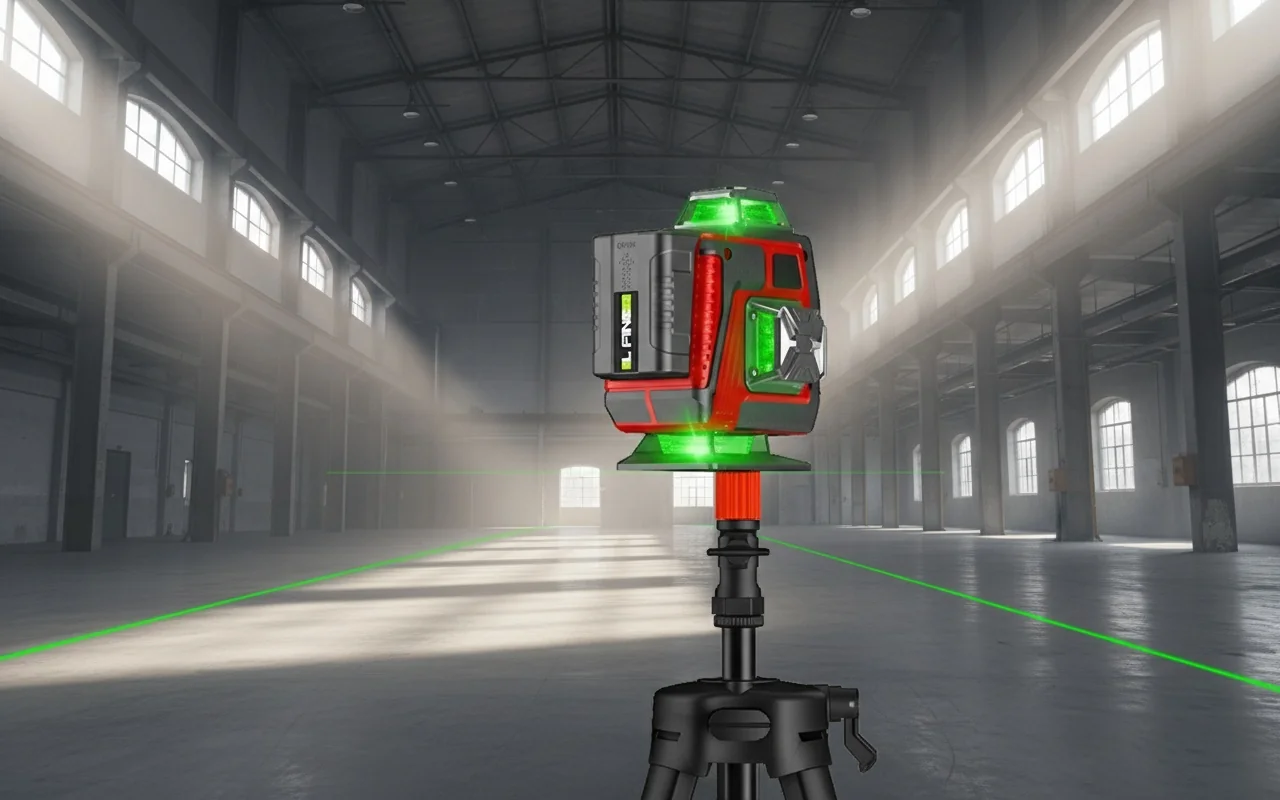
Is a Leica laser level worth the money compared to budget options?
For daily professional use, yes. Leica's ±1.5mm/10m accuracy holds over years of use, backed by 3-year warranty and UK service support. Budget alternatives like the OUOAENR kit at £88.17 work brilliantly for occasional DIY — the value gap only matters if you're relying on the tool daily for paid work where callbacks cost money.
What's the difference between a 360 laser level and a standard cross-line?
A standard cross-line projects approximately 120°–160° of coverage, requiring repositioning for multiple walls. A 360 laser level projects a continuous plane around the entire room — 360 degrees. The Leica L6G offers three simultaneous 360° planes. Battery life is shorter (14 hours vs 24 hours) due to higher power demands.
How often should I calibrate my Leica laser level?
Leica recommends annual professional calibration, costing £60–£90 at their Milton Keynes service centre. Perform monthly field checks yourself: mark a line at 5m, rotate 180°, and check deviation. If it exceeds 2mm, book a service. Heavy impacts or drops warrant immediate rechecking regardless of schedule.
Can I use a Leica laser level outdoors?
Cross-line models (Lino series) work outdoors with a detector up to 50–70m range. For dedicated outdoor work beyond this, the Leica Rugby rotary series offers 300m+ radius with detector, IP67 weatherproofing, and ±1.5mm/30m accuracy. Green beams are more visible outdoors than red but still require a detector beyond approximately 10–15m in direct sunlight.
What's the best laser level for tiling work in the UK?
For tiling, you need accurate cross-lines (both horizontal and vertical) with good close-range visibility. The Leica Lino L2G at £189.99 is the trade standard. For occasional bathroom tiling, a self-levelling green cross-line like the OUOAENR kit (£88.17) provides the alignment reference needed at a fraction of the cost. Key requirement: green beam for visibility in windowless bathrooms.
Are green laser levels better than red ones?
Green appears approximately 4x brighter to human eyes at equal power output, making lines visible in brighter conditions and at greater distances. The trade-off is 30–40% higher battery consumption. In 2026, green has become the standard for professional-grade levels. Red remains adequate for dim interior spaces and offers longer battery life per charge.
Key Takeaways
- Leica laser levels offer ±1.5mm/10m accuracy with magnetic dampening that maintains calibration longer than budget alternatives — critical for professional trade use.
- 360-degree models (like the Lino L6G at £549.99) eliminate repositioning on multi-wall jobs, saving significant time on suspended ceilings, full-room layouts, and commercial fit-outs.
- For occasional DIY and home projects, the UK-made OUOAENR Laser Level Kit at £88.17 delivers self-levelling green cross-line performance at exceptional value.
- Green beam lasers are now the professional standard — 4x more visible than red in typical working conditions, though with 30–40% higher battery draw.
- Annual calibration (£60–£90) is essential for professional tools; monthly field checks take 2 minutes and catch drift before it causes problems on site.
- All laser levels sold in the UK must carry UKCA marking and comply with BS EN 60825-1 — always verify classification before purchase.
- Match the tool to the job: cross-line for interiors under 25m, 3x360 for full-room work, rotary for outdoor/groundworks beyond 50m range.
Need a precision laser level for your next job?
Free UK delivery · 30-day returns · Accurate to ±3mm · From £88.17
View OUOAENR Green 360° Laser Level — £88.17